
Guest Post: SF Writer Nina Munteanu Reviews the Norwegian TV Series, Occupied
Today at Life After Gateway, I present our second guest post: Canadian writer Nina Munteanu reviews Occupied, Norway’s “most expensive television production to date.”
The show’s description at IMDB:
In the near future, Norway is occupied by Russia on behalf of the European Union because the newly-elected environmentally-friendly Norwegian government has stopped the all important oil- and gas-production in the North Sea.
In her review, I enjoyed Nina’s description of the show’s core theme: the conflict between the quest for sustainable energy production and the very real — and current — geopolitical events in Europe. The review is below, followed by her bio, website, and socials. Thanks to Nina for contributing! Beware of mild spoilers in the review. Occupied is available to stream on Netflix.
— Timothy
———
Occupied: A Real and Present Threat
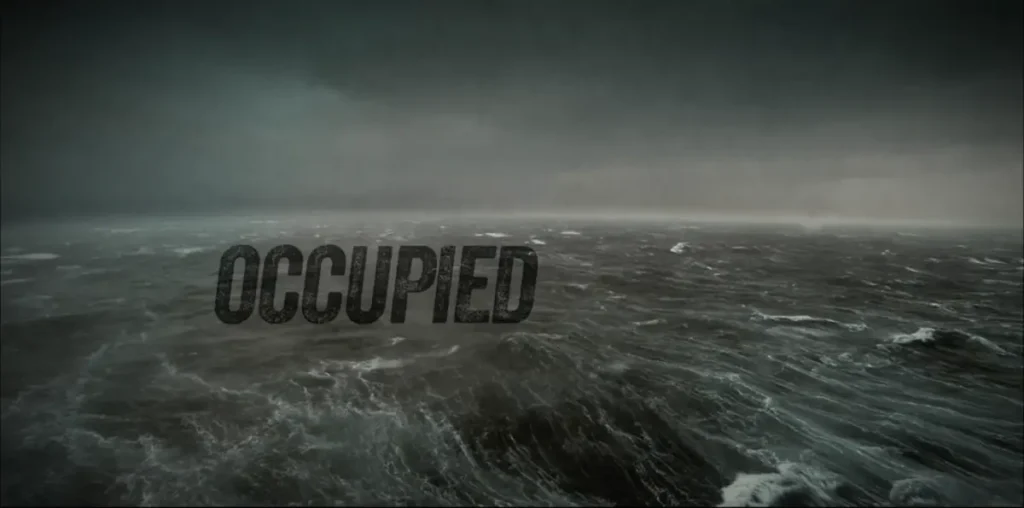
In 2016, Occupied (Okkupert), Norway’s most expensive television production to date captivated viewers across Europe. A political thriller about a Green prime minister, committed to renewable energy, overthrown by close neighbour Russia to control his country’s abundant natural gas and oil reserves gripped many viewers, left on the edge of their seats when episode 10 failed to resolve the deadlock. In a review entitled “Bear Lurking in the Fjords” Mark Melton of Providence noted that the first episode of Occupied broke the channel’s rating records as more than 50% of viewers aged 20 to 49 watched, and the show went on to Netflix with English subtitles.
Melton shares the intriguing premise.
“Sometime in the near future, civil wars prevent Middle Eastern countries from exporting enough oil to meet global demand. Energy independent due to shale gas, an isolationist United States no longer sees a need to have a global presence and pulls out of NATO [shades of the present!] Meanwhile, global warming has become so rampant that a hurricane hits Norway and kills over 600 people. In response, Norwegians elect environmentalists who halt all oil production to help stop climate change. Without Norway’s oil, the European Union falls into a crippling recession. Because the Norwegian Prime Minister refuses to budge, the EU asks Russia to occupy Norway and restart oil production.”
What follows is a captivating three season political action-thriller that explores potential real-life questions for leaders throughout the world. When the first season of Occupied aired, the Russians were a fictional threat. Now, it seems, reality has caught up to fiction.
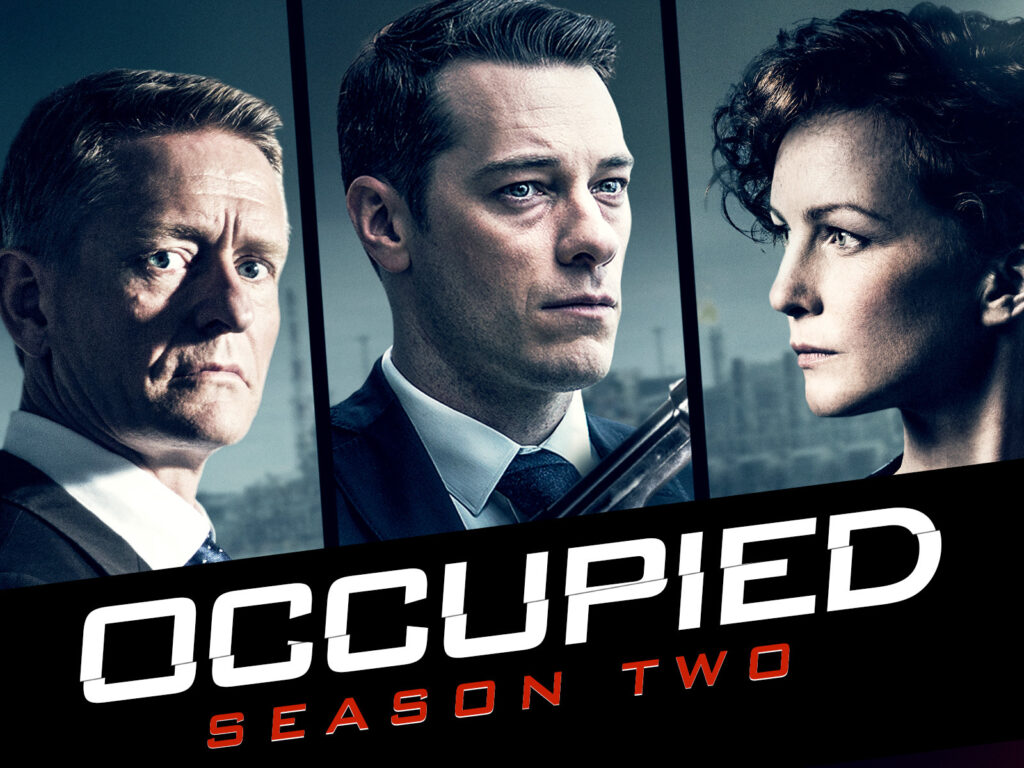
Melton writes that when Jo Nesbø, a well known Norwegian crime novelist, first pitched the story, people told him the idea was far-fetched. Then the real-world Russian invasion happened on the day the show started shooting, adding tremendous relevance to the fiction envisaged. Given the post-Crimea tensions (and what is now happening in the Ukraine), it is not surprising that the Russian government is not pleased with Occupied adds Melton. Before the show aired, the Russian ambassador in Oslo complained that the show would frighten “the Norwegian audience with a non-existing threat from the east.”
The three season series moves at a swift pace with Season One quickly instating the Russian occupation as the Norwegian PM Jesper Berg (Henrik Mestad) sells Norway’s future to prevent bloodshed from its Russian aggressors. Resistance flares up and intrigue rises from all quarters including the Russian occupiers with some Norwegians profiting from the occupation and others arming themselves and doing sabotage.
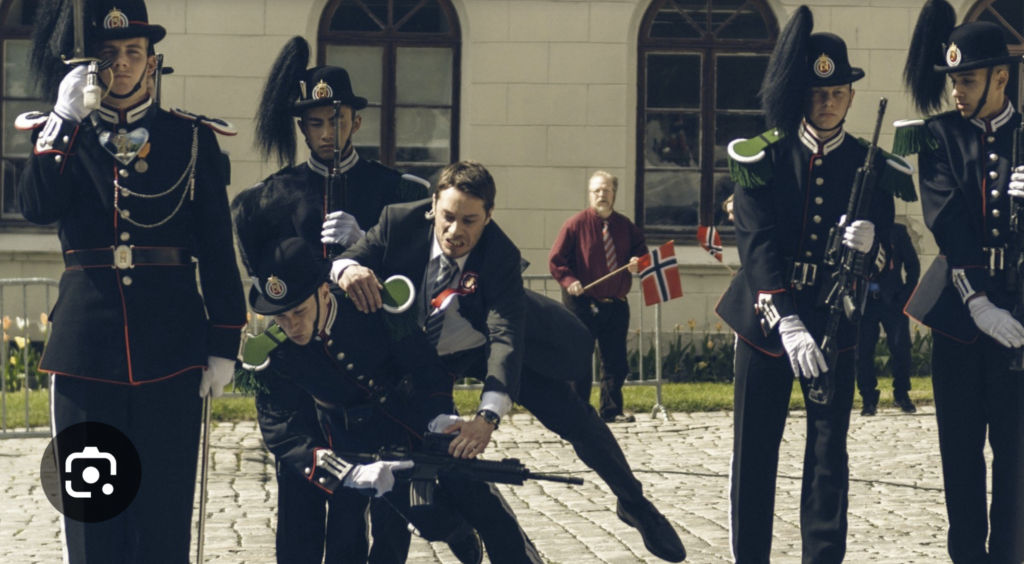
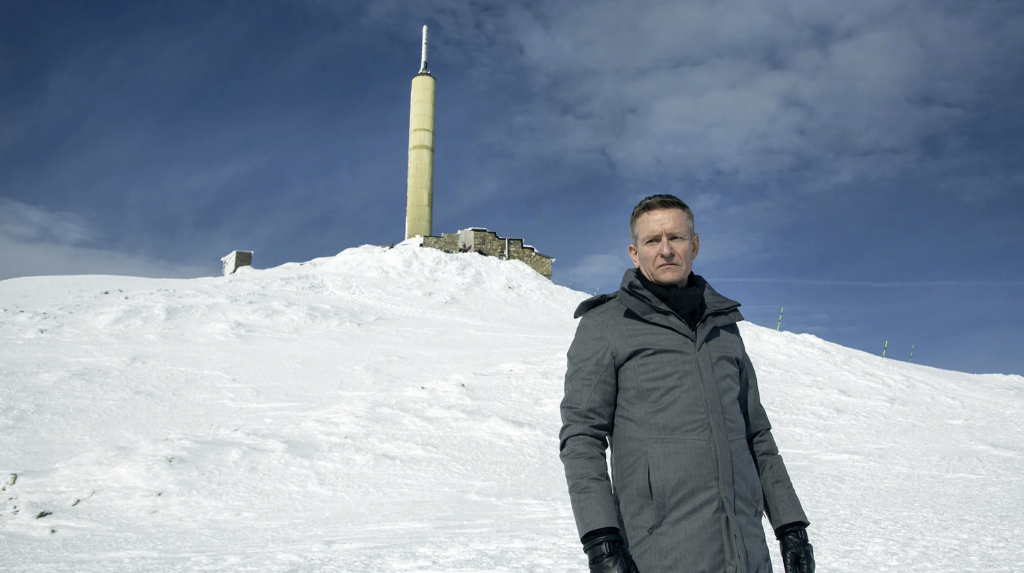
I found Prime Ministerial bodyguard Hans Martin Djupbik (Eldar Skar), who at one point saves the life of Russian Ambassador Irina Sidorova (Ingeborga Dapkunaite), one of the show’s most intriguing characters. Eventually becoming head of state security, Hans Marin plays a difficult balancing act between Norwegian and Russian interests in the conflict between principle and realpolitik. Ultimately, this unsustainable position impacts him on several levels, including his personal life, as forces literally pull him apart.
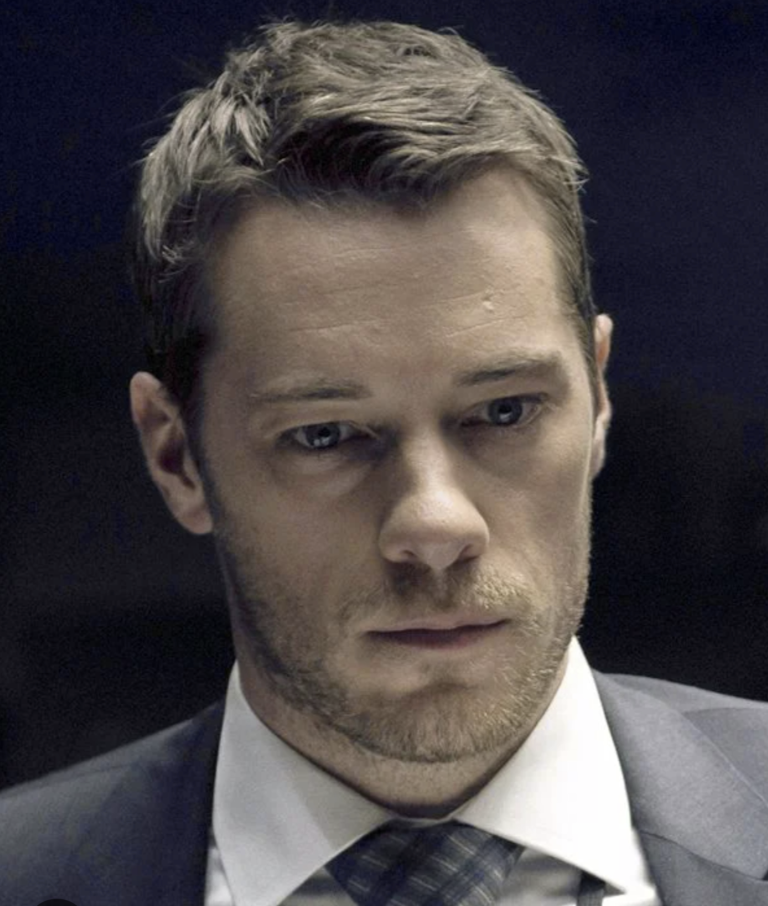
Melton notes that Hans Martin first appears as an archetypal hero who uses his position in security and intelligence to help save democracy. And viewers, says Melton, have many opportunities to cheer for him. However, given his unique position and relationship with the Russian occupiers, his actions at times become morally ambiguous and this catches up with him in season three, which is a heartbreaker. I wasn’t happy with how it ended for Hans Martin, who, in my opinion was not just a main protagonist, but also the show’s chief casualty and archetype for integrity and even innocence. It was hard to watch as the relentless political machinations seized him in a vicious spider web of nefarious intrigue even as he tried so hard to play fair throughout. Given the show’s trajectory, the shocking end of season three seemed inevitable and necessary; for in his final and tragic act, Hans Martin re-affirmed his integrity and archetype as hero for democracy and freedom.
In a ruthless war for resources and sovereignty, Hans Martin—like heroic integrity—becomes the main casualty.

Given the current situation today, Occupied appears frighteningly prescient and possible.
“Democracy is a key value that becomes a rallying cry for the resistance,” writes Melton. “Without a strong NATO these characters struggle to preserve their freedoms and democracy. Norway spends more on its military today than it did at the end of the Cold War (adjusted for inflation), but other NATO countries provide equipment and personnel necessary for Norway’s defense. It is easy to understand why Norwegians may fear a world without the alliance. Occupied has reminded European audiences what Russia has already done,” and what it may yet do…

The intriguing machinations of geopolitics aside, Occupied is foremost an environmental thriller about the specter of climate change. In 2020, Taylor Antrim of Vogue writes:
“Occupied is the most relevant thing on TV right now, a hyper-entertaining drama that treats the climate emergency with the seriousness it deserves.”
In his review entitled, “Occupied is the Climate-Crisis Thriller You Should Be Watching,” Antrim tells us that:
“Norway is one of those hyper-progressive, enlightened countries that should be free of the world’s social ills—but what unfolds on Occupied is a cheat sheet of all the disquieting trends of our time. First, the country becomes gripped by nativism, with ‘Free Norway’ activists turning on ordinary Russians living within their borders. Then there are escalating acts of domestic terrorism and violence. And by season three, in which climate warriors turn to guerrilla cyber tactics and Free Norway activists commit grotesque acid attacks on accused Russian collaborators, Berg has been transformed from an idealist into a power-mad operator. The brilliance of the show is you never know whom to root for. The stalwart and handsome head of the security services? The crusading Marxist journalist? The steely Russian diplomat who understands realpolitik better than anyone?”
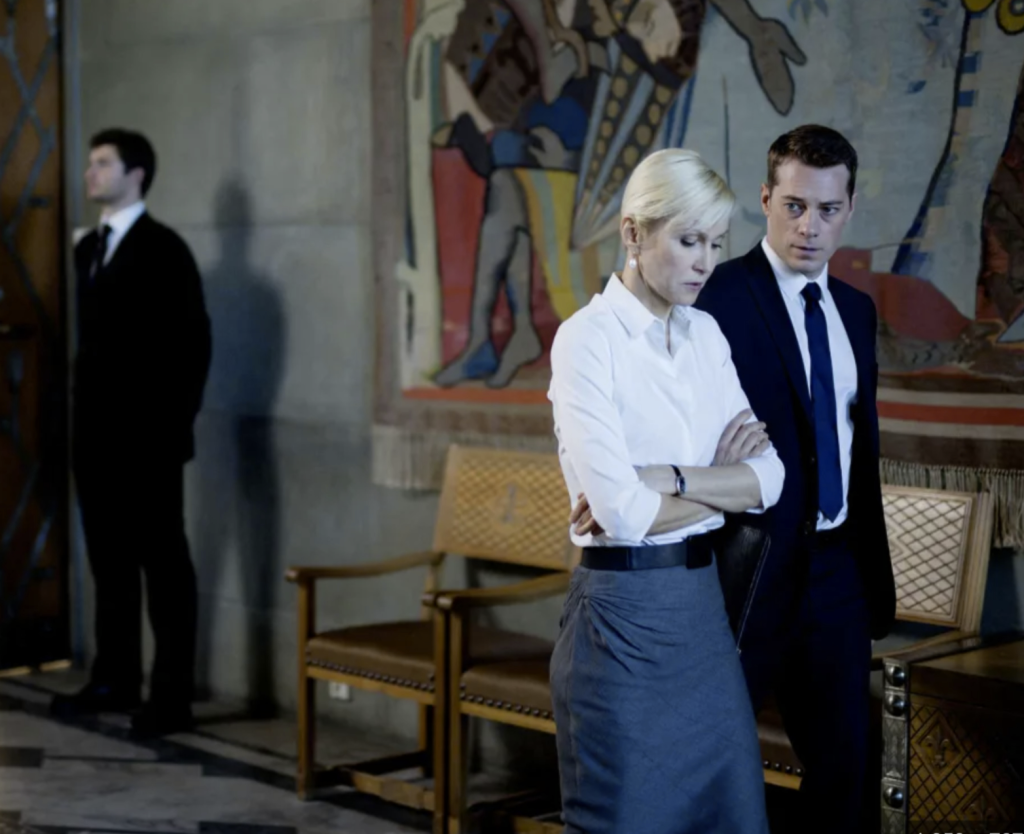
In the end, Antrim exhorts:
“Occupied may be entertainment, but the extreme measures its young eco-activists are fighting for (an entirely renewables-based energy system) no longer seem extreme. This is a show that understands that we are marching toward a tipping point, and by the climactic end of the season a desperate, riven country is demanding that the world change its path at any cost.”
— Guest post at Life After Gateway by Nina Munteanu, June 2026
* Nina Munteanu’s review of Occupied was originally published on her official site in June 2025 and is reposted here with her permission.
Nina Munteanu Biography
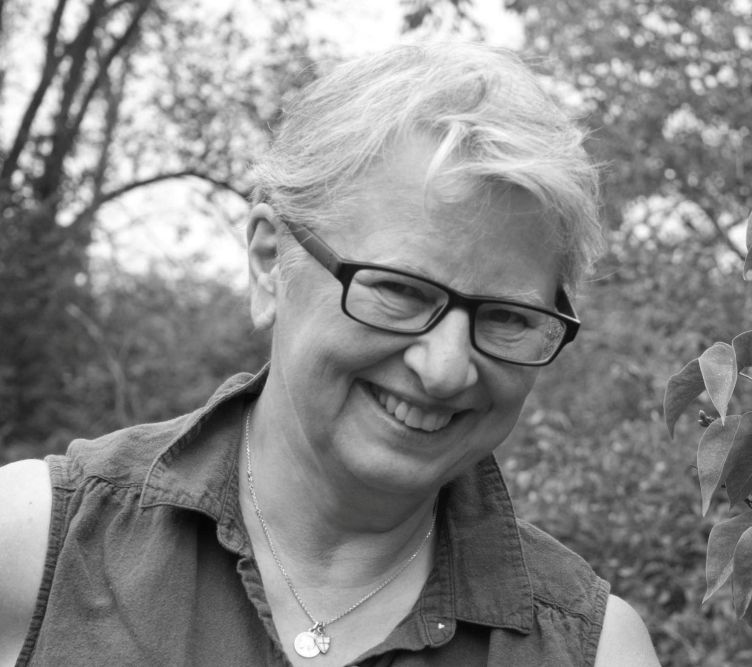
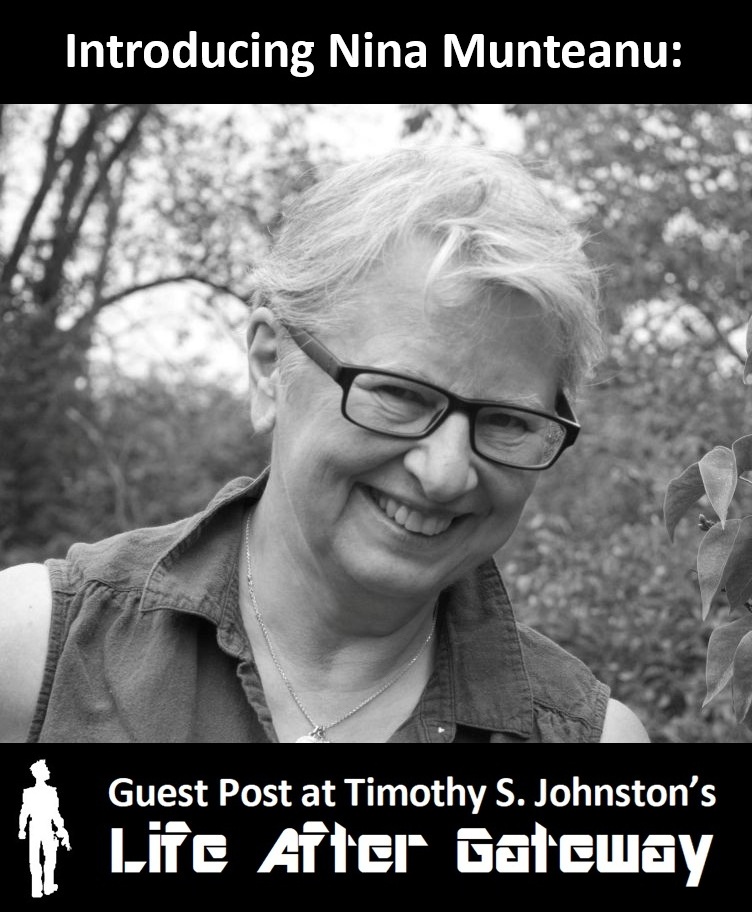
Nina Munteanu is a Canadian ecologist, novelist and award-winning short story author of eco-fiction, science fiction and fantasy. Nina teaches writing at UofT and writes for various magazines, including essays on science and futurism. Her short work has appeared in Neo-Opsis Science Fiction Magazine, Chiaroscuro, subTerrain, Apex Magazine, Metastellar, and several anthologies. She currently has 10 novels published and several non-fiction books on writing and science. Her book “Water Is…” (Pixl Press)—a scientific study and personal journey as limnologist, mother, and teacher—was Margaret Atwood’s pick in 2016 in the New York Times ‘The Year in Reading.’ Nina’s award-winning eco-novel, “A Diary in the Age of Water” by Inanna Publications, is about four generations of women and their relationship to water in a rapidly changing world. Her latest eco-fiction novel, climate thriller “Gaia’s Revolution”, was released by Dragon Moon Press in 2026.
Nina on Bluesky: https://bsky.app/profile/aliennextdoor.bsky.social
Nina on Twitter (X): https://x.com/AlienNextDoor
Nina’s website on her writing: http://www.ninamunteanu.ca/
Nina’s personal blog: https://sfgirl-thealiennextdoor.blogspot.com/
———

———
Follow TSJ on Facebook.
Follow TSJ on X.
Follow TSJ on Instagram.
Follow TSJ’s Blog Life After Gateway, featuring one carefully curated news item from the world of Science Fiction, Mystery, Thriller, Horror, and Suspense each day. Enter your email in the “Subscribe to Blog via Email” widget on the right.
———
———
A Blanket of Steel by Timothy S. Johnston and from Fitzhenry & Whiteside, LTD. is the recipient of the 2024 GLOBAL Thriller Award GRAND PRIZE and the 2024 CYGNUS Award First in Category.


— Timothy S. Johnston, 29 June 2026