
Interview with JCVD’s Raid Pacific Director and Producer — a Life After Gateway Exclusive, Part One
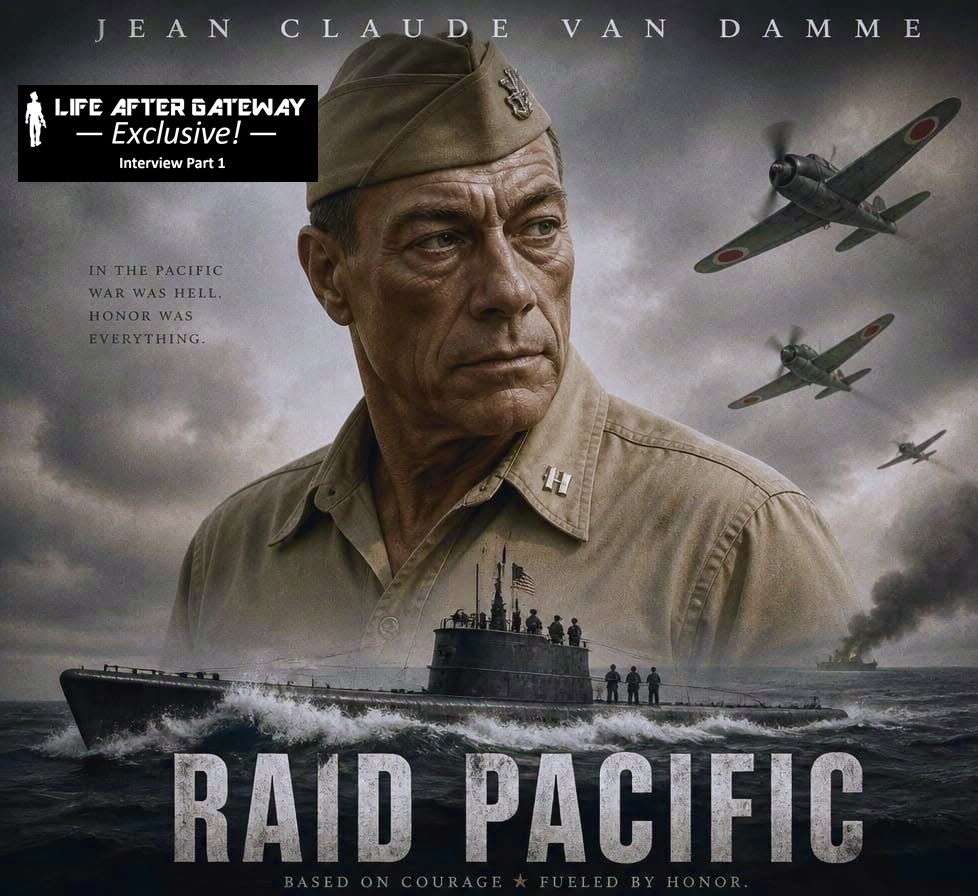
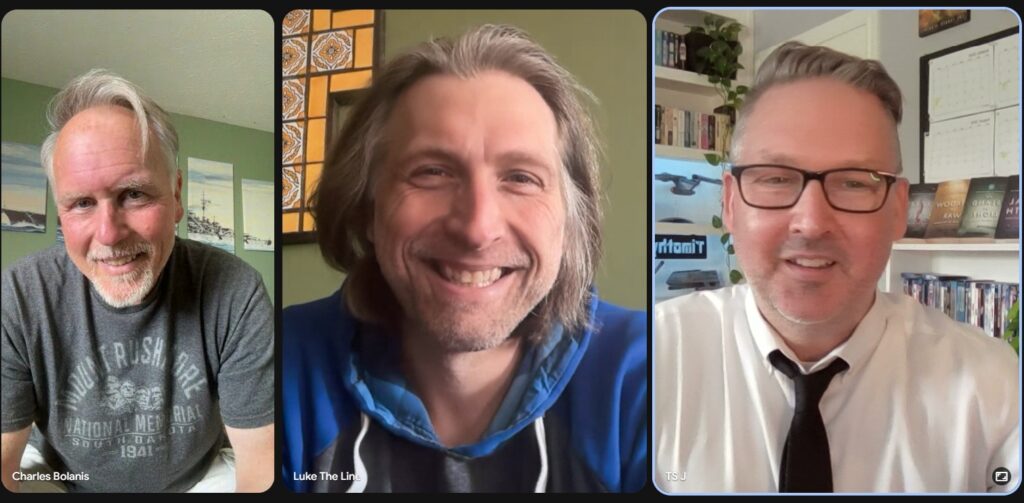
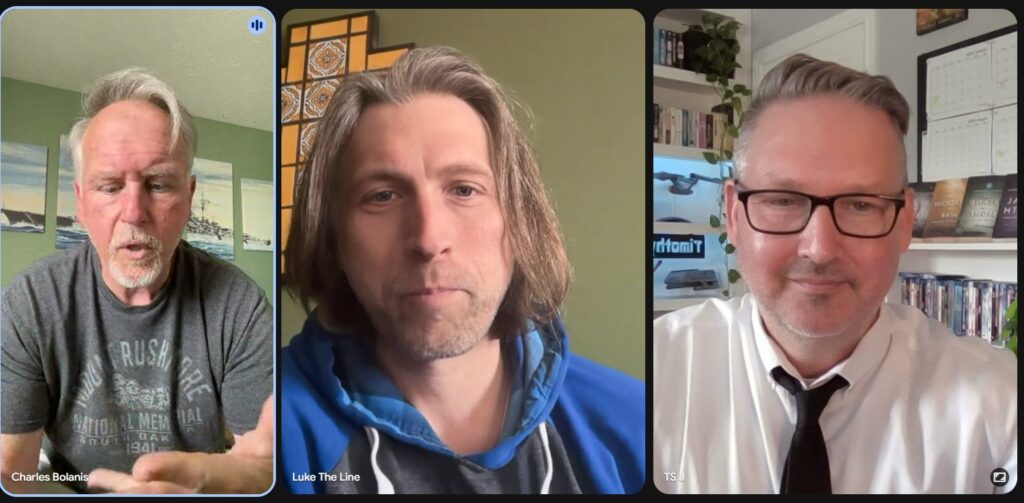
Here is Part One of my exclusive interview with two important members of the Raid Pacific team: Director Steven Luke and Charles Bolanis.

I recently had the privilege of sitting down with director Steven Luke and owner of WW2 Equipment Rentals, Charles Bolanis, to talk Raid Pacific.
Find my previous Life After Gateway exclusive article about Raid Pacific, WW2 Equipment Rentals, and film details HERE.
Find Part Two of my exclusive interview with director Steven Luke and Charles Bolanis HERE.
Filming begins in Ohio this month, and to spotlight the project, I’m featuring this exclusive Raid Pacific article today here at Life After Gateway.
It was a wide-ranging interview and I’ve broken it into two parts. I hope you enjoy the interview as much as I had conducting it.
Part One
TSJ: First, thank you so much for speaking with me today about your movie. I really appreciate it. Let’s start with the basics: Where are you in production right now?
Steven: So with Raid Pacific we’ve started our pre-production. We’re starting to shoot in September, and we’re really looking forward to it. We’ll be out in the Ohio area, and maybe a little bit in Alabama, and a few other different places to catch different spots. But yeah, we’re aiming for that September timeline.
TSJ: Variety first announced this project back in May and it caught my eye immediately, not only because of the subject material — it takes place underwater, it’s a submarine thriller, World War II, so it’s historical — but also because of the casting of the lead, Jean-Claude Van Damme. Can you tell me about the story a little bit? What’s the film’s plot?
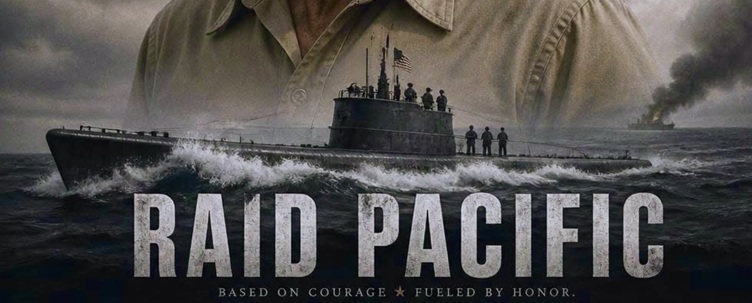
Steven: Raid Pacific is set during World War II, specifically in 1942. It follows a submarine captain and his crew. They get assigned to deliver Marine Raiders to a secret Japanese island, kind of behind enemy lines in the Pacific. Based on a true story, real true-life events, it’s known as what’s called The Raid on Makin Island. There are a few books and I think there might be an old movie about it a long time ago in the 40s, but it focussed more on the Marines. Obviously, we all love the Marines. They’re great guys with great stories. Great heroes. But, you know, when I dove into the story a little bit, I thought, this is interesting. The submarine part of it is really interesting. It was the first time that it had ever been done in the war, where they took troops on a submarine and delivered them en mass, and it was the first time that the marines ever had a mission like this. And I just thought that was unique. These submarines and the captains and crews weren’t necessarily trained for anything like this. And, you know, what it would be like to kind of experience that event through their eyes, what they had to do in order to pull that off. So that’s what the story basically follows.
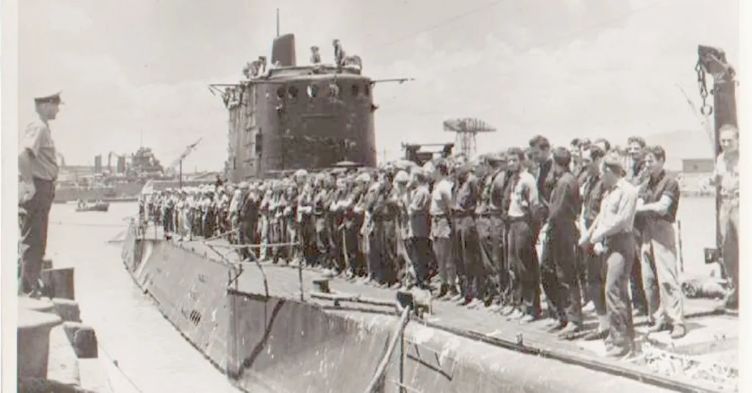
Marine Raiders preparing for the mission in 1942. Image Credit: We Are The Mighty
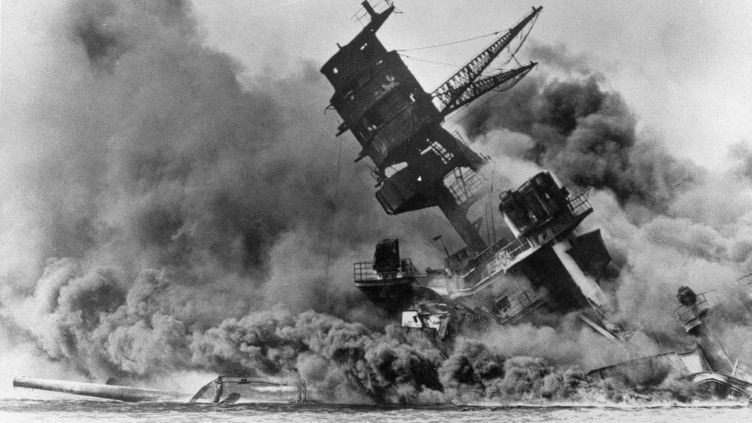
TSJ: You had said in the Variety article that the film “is grounded in real history, but driven by deeply human stakes.” Can you expand a little bit on the “human stakes” aspect? What I’m digging into here is that Pearl had just happened, and is there a strong connection between any of the characters on the submarine or among the Raiders to Pearl Harbor at all? And, are you going to show the Pearl Harbor attack? Are you recreating some of the footage or are you going to use archival footage for that?
Steven: We’ll probably end up using original footage. I like to use original footage when I roll credits and I like to do that at the beginning, over real footage of the event. The aftermath, so that way you kind of get in there. I’ve always wanted to do that, and this would be a good opportunity. But we do have a couple of scenes where hopefully we’ll get to display some of it from a bird’s eye view, or what it would have looked like during that time in 1942, which is when our story takes place. Raid Pacific takes place several months after the attack, so we’ll be seeing what a lot of our servicemen — Marines, Navy, Army soldiers — what they would have seen as they actually were arriving to the island. Hawaii was a staging ground for many multiple tours that the guys did, and this might have been the first impact on them coming in.
The story does tie in to personal drama that comes with that. Several of our Navy officers (in the film) have children or relatives that had been, or were serving, and were lost during the attack on Pearl Harbor. You know, one of the things that’s unique, I always like to find that personal story with these guys. Obviously, there’s lots of movies that have been made about World War II, and I always like to connect it to something personal and maybe something I’ve never seen. So here we’re following a couple of our main leads, including Captain Pierce, played by Jean-Claude Van Damme, as they’re navigating not knowing information about some of their loved ones who are also in service. And I thought that was a unique take. You know, what would it be like serving your country while also knowing you have family members that are missing and you’re waiting for information on if they’re alive or dead or what their fate might be. Obviously people can relate to that tremendously. But I had never really seen what it might be like for our men and women in uniform that also have to experience that — not knowing what is going on with their relatives, while they’re also having to perform their service and their duty to their country.
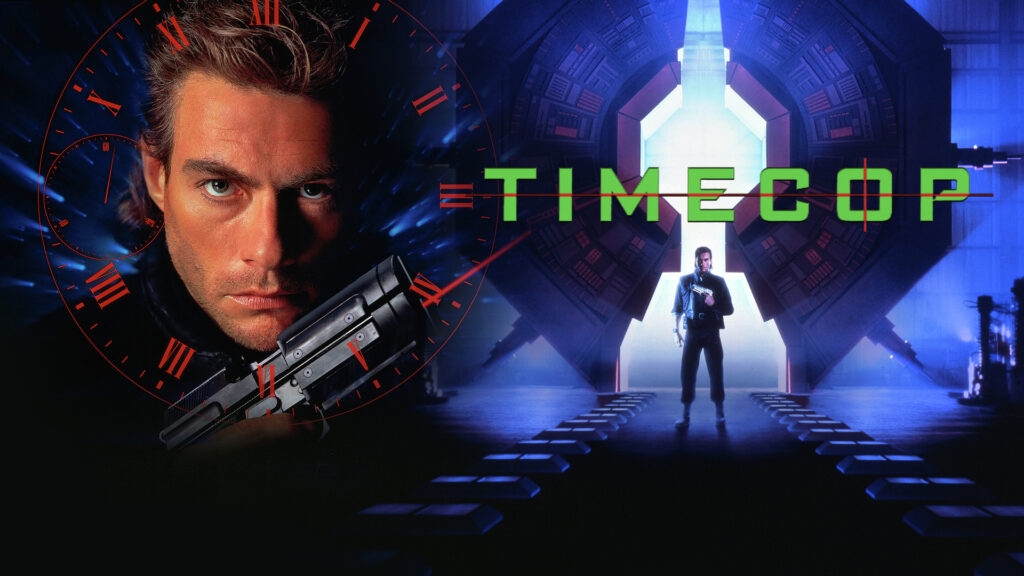
TSJ: I’m obviously a huge fan of submarine thrillers. I’m also a fan of Jean-Claude Van Damme. I was eighteen years old when Bloodsport came out. It was a huge movie. But it’s actually not my favourite Van Damme film. My favourite of his would actually be Timecop because it’s more in line with my genre — Science Fiction/Thriller. Timecop featured an amazing protagonist, Ron Silver, who played an evil power-hungry politician. It had a strong and creative story, a great human narrative with gargantuan stakes. My question for you about Raid Pacific is, Is this a wholly mission-based film where the team has to achieve a goal? Or is there an antagonist for Jean-Claude in this film? Someone who’s a foil for him to play against, meaning another person on the Japanese side. Or is it both?
Steven: The short answer is it’s definitely both. It’s definitely a mission-based film, man against nature, man against conflict, how do we overcome these challenges, get these Marines delivered, and get them back home? You know, how does someone perform at the highest level to make sure that their men return? That’s obviously the forefront of the story. But I would also say, yes, we do pit him against a Japanese naval officer, who’s also there at that time during the war. In 1942, the Japanese Navy was in command of the Pacific. I definitely want to try to showcase that a little bit and kind of pit commanders against each other as they’re maneuvering against one another.
TSJ: You had mentioned that in Raid Pacific there are submarine aspects and also Marine Raiders. My question here is for Charles as well: Is this a naval thriller or is it a land-based thriller? And what part of it does your company provide military gear for?
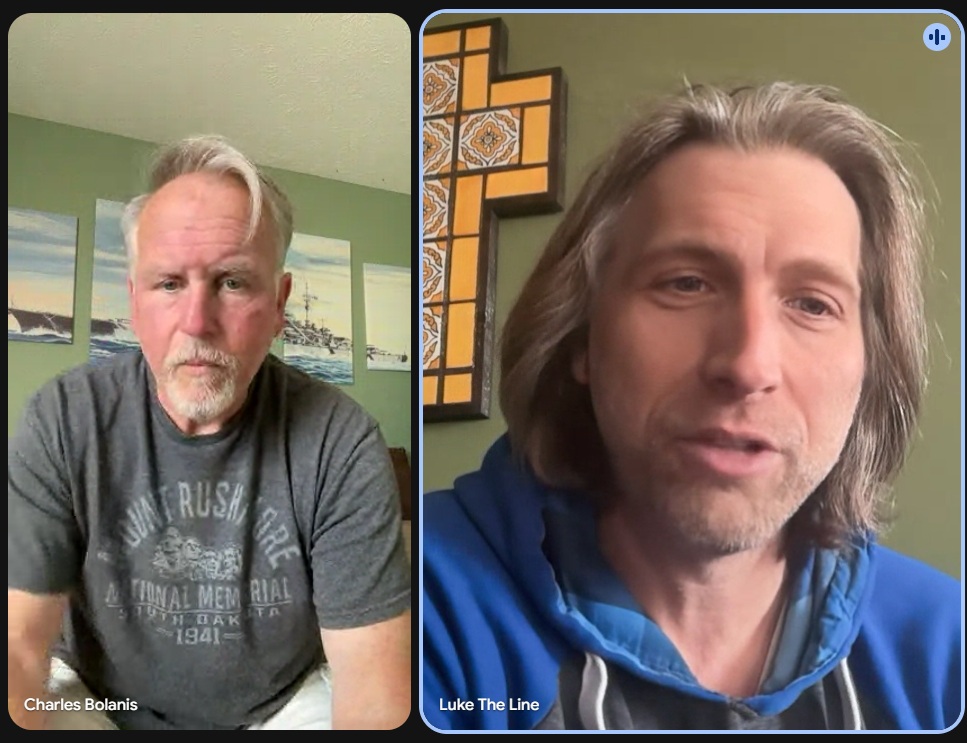
Charles: Well, I appreciate the question, and I think it’s a little bit of both, you know, because obviously we’re going to be doing a lot of staging inside of an actual submarine. It’s going to look great. It’s going to look very accurate. But then there are also going to be scenes on or around a military base, and there’s also going to be land-based battle scenes. Plus with some really, really neat visuals of specific theatres of sea combat. So you’re going to have a little bit of everything. And I guess where we kind of come into play with World War II Vehicle Rentals is, obviously, I don’t own a submarine, we’re not providing a submarine, but, you know, we’re fortunate to be able to use one up on the Ohio lake coast.
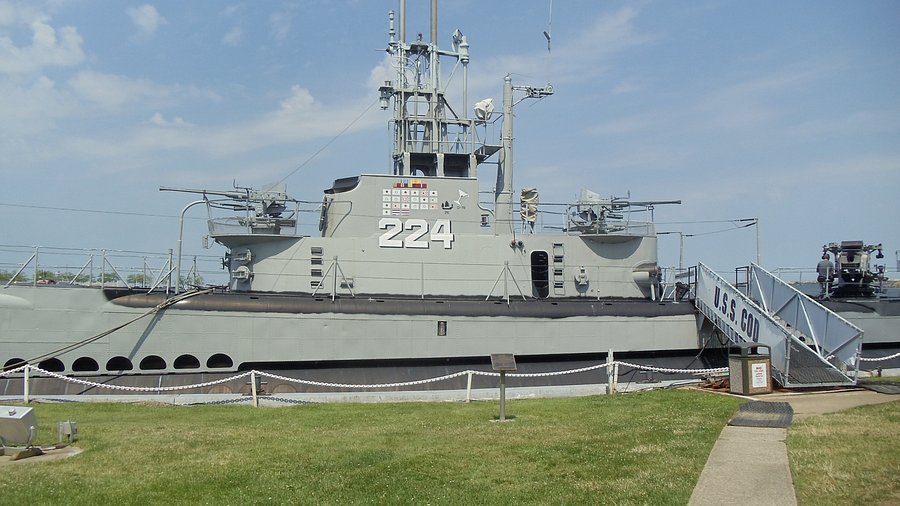
USS Cod Submarine Memorial in Cleveland, Ohio
But other vehicles, for example, like Jeeps, cars that you might have seen in the 1940s, you know, the little blue US Jeeps used by the Navy, stuff like that, trucks, that is what World War II Vehicle Rentals would provide, but then also, you know, just continuity, consultation, assisting Steven and the team with the look of the US sailors from the 1940s to Japanese soldiers from the 1940s, some of the set design, like what the beach combat might look like, some of the office interactions in Pearl Harbor, you know, you’re going to have equipment out and about, specifically vehicles. But that’ll probably be the gist of it. The real focus of this film is going to primarily be on JC and the submarine, the mission, a lot of really neat visual effects of the Pacific theatre of combat.
Steven: I’m going to jump into, and sorry, this is going to be a tangent, and this is mainly for Chuck. You said you needed my list of vehicles. I said, and so nonchalant, just some jeeps, but I need a Japanese tank. I need that Japanese tank from Indiana.
Chuck: Okay, yeah, from Southern Indiana …
Steven: Yeah, yeah, yeah. Sorry, I apologize for …
Charles: Nope. If you thought of it, yeah, that makes perfect sense. So that’s the kind of stuff that I do. Steven says, “I need a tank. Go find that.” That’s what I do.
TSJ: Oh, I’ll be looking for it when I watch the movie. The Japanese tank. Okay. I may be reading too deeply into this or thinking too deeply about this, and just let me know if I am, but you would think that my excitement or curiosity about the film is the submarine thriller warfare aspect, but it’s not, actually. When I heard about Jean-Claude’s casting and his connection to the US Navy — he’s billed in the Variety story as being a U.S-French submarine commander — (it made me) curious, is he a character who enlisted in the US Navy early on and worked his way up to be captain? Or is he a member of the French Navy who joined the US after the German occupation of France? Because, and before you answer, I find this incredibly compelling, and I’m looking at Jean-Claude’s possible backstory to this because he’s French. I mean, in reality, Belgian, but in the movie, he’s French, the Nazis have occupied France and a portion of France is also under control and collaborating with Germany. I’m curious about his background and how much of this plays a role in his backstory and his character, because he might be hugely driven by this.

Steven: Sometimes you come up with the character’s background, it’s not maybe something necessarily that you, in the movie, expand upon too much, just because you have a story to tell. But obviously, it’s very important to the character. It’ll be important to JC. It’ll be important to the guys around him. It helps establish who they are and where they come from. So in talking to JC we found a unique take that is based on a couple of instances where the French had vast overseas territories in the Pacific, including places like Vietnam, parts of Malaysia and other parts even in Korea. I think the French were in control. And when World War II broke out and France was fighting Nazi Germany, the Japanese moved into a lot of these areas and kicked the French out.
So, the French had a known establishment in these regions for a long time, and what we thought was unique is that we would bring in JC’s character as an American-born citizen who was raised overseas in a French colony, working or coming up through the embassy or territory regional areas in some way. And in a lot of those areas the only place to go to school would be a French school with French education. And so that would be his background. And one of the things that made him valuable to the story is that he would have a love for the sea and join the US Navy and get assigned to the submarine crews as he progressed throughout his career. And one of the things we thought would be interesting is that’s some of the reason why he was chosen as a captain for this mission because he’s very familiar with the area. He grew up in the region. So we thought that that was a unique take and could also honour his French background as well as his American background.
TSJ: That’s an amazing aspect of the movie, which, as a writer, I look for. I look for the human backstory and the human stories there. This is maybe an obvious question, but I’m going to ask it. What attracted you to signing Van Damme for the lead in this movie? And, if you know, what attracted him to the script?
Steven: I mean, how could you not be excited to want to have JCVD in your movie? Or (for him to) be so gracious and so trusting to let us utilize his skills as one of the world’s foremost professional actors in order to tell a story. I mean, I think that’s every filmmaker’s dream … I mean, Chuck — I’m sure you can relate to this, just talking to, you know, some of the guys that are going to get involved in the project …
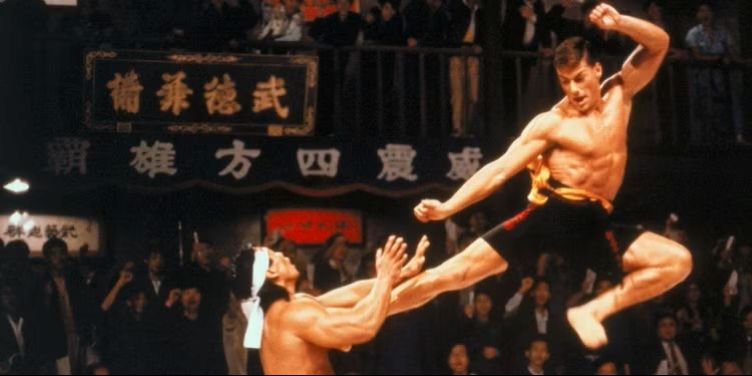
Charles: I’m the same generation as you, Tim. You know, we remember, Jean-Claude Van Damme. I was sitting in the theatre watching Bloodsport, you know, so it’s almost, it’s like awe. Like, oh my God, we’re working with Jean-Claude Van Damme. You know, if someone would have told me that I’d be doing that when I was eighteen, sitting in the movie theatre in Indiana, watching Bloodsport, I wouldn’t have believed them. So not only is it a great opportunity, but it gives us the chance to work with an amazing talent. I mean, the guy is still going. You know, I remember him from, what was it, 1988 or 87, and he’s still going. He’s still making quality films. He’s in great shape, and he’s got an amazing personality to boot. Steven has done most of the personal fostering of the relationship with him, if not all of it. He has a great relationship with him, but for the rest of us, the chance to get to work with him is amazing. That’s part of it. I mean, of course, we’re all World War II film and World War II history nerds, I guess you could say, we love doing that, but being able to work with a talent like him is once-in-a-lifetime.
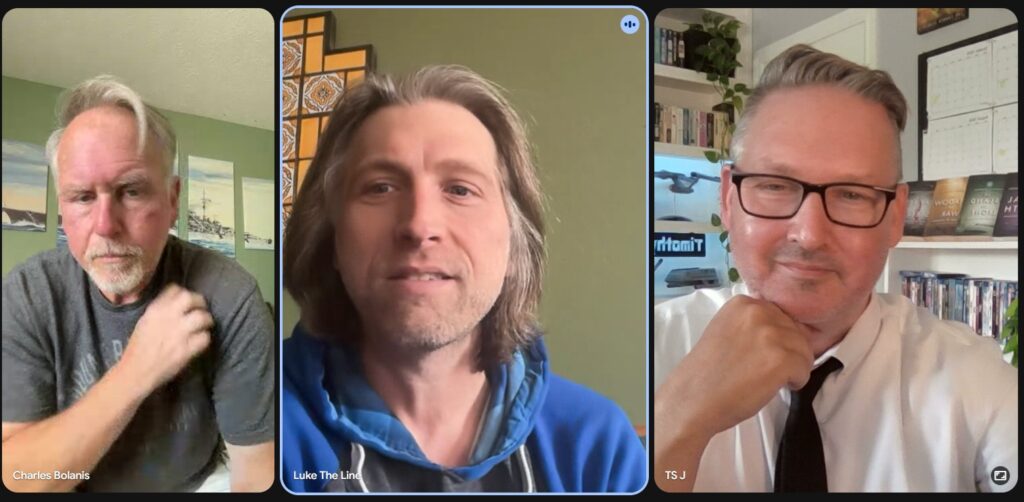
Steven: And I know you asked me, so how did he get drawn to the story? There’s going to be two parts to this answer. So I had a script — I’ve been very blessed to get to work on several military-themed projects over my career, which has been very fortunate and how cool. And because of that, I’ve gotten to work with several high-profile talents, which has always been fantastic. I love all those guys. So saying that, when I come up with a story or write, I’ve had a lot of good opportunities to be able to present my scripts and productions to high-quality talent, and several years ago, I wrote an action film called The Janitor. I thought maybe JC would like this. And I sent it over to his agency and I didn’t think anything of it because he’s a very talented type of guy to get on a project. And so I was just fortunate enough that they would even present it over to him, which was pretty cool. But I get a message from his agency saying, hey, JC really wants to talk to you about the script that you’ve submitted. And I of course, I was just so excited. You know, this is fun. And I talked with a couple producer buddies and (they said,) “This is great — if JC wants to talk to you about the script, he’s gonna do it. Like, he’s gonna do your film!” And so I’m all excited, I’m all pumped. And so the day comes, I’m getting on the — I don’t think he even remembers this aspect of the story — but I get on a phone call with him, I think during the Cannes film festival. He was on someone’s boat, some yacht or something. We talked for two minutes, and he’s like, “Oh, Luke, you know, I really liked your script. It’s a really great script. It was a really good character, but I’m not going to play this. I’m not going to do this movie.”
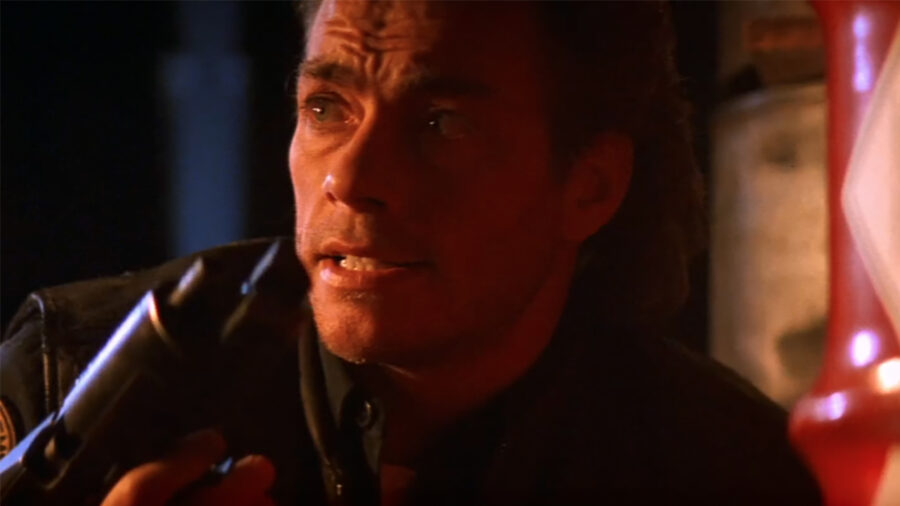
But he graciously said, “… when you have other things, if you think I’d be good for them, please submit them to me, I’ll read them. I’ll check them out. I’ll do that, because I thought this was really good, but I’m not doing this.” So, of course, a part of me was, man, what a bummer. But also, now that I’ve gotten to know him over a couple of years, that’s his character. You know, he’s such a great guy that even when he is not going to do something, when he sees something or appreciates work or enjoys something, he’s going to personally say it. So I always kept that in the back of my head … And so I submitted this project over to him. He owns his own boat. He loves the Navy. He loves the ocean. And I do know, obviously JC’s getting older, and I think with that, obviously comes the want and the ability to have characters that he can really dive into and really hone-in his skills as an actor. That’s not to say that he can’t do any of the action that he’s known for. He most definitely can. I know he stays in shape, it’s pretty cool to see him when he busts out his moves even at his age. But I know he saw this character as being like, we’re in a submarine. We’re in a tight space. This is the shot, you know, we’re just seeing him [mimics blocking a scene] and I know he was (thinking that he ) wants to go through a range of emotion with this guy and have that opportunity to do that, which this story allows him to do that a lot more than maybe his typical — which he’s very good at — action movie that he does. So I think that’s also what drew him a little bit as well.
Interview continues at the below link …
Find Part Two of my exclusive interview with director Steven Luke and Charles Bolanis HERE.
Stay tuned for more exclusive articles featuring JCVD’s Raid Pacific at Life After Gateway. Watch this space!
———

———
Follow TSJ on Facebook.
Follow TSJ on X.
Follow TSJ on Instagram.
Follow TSJ’s Blog Life After Gateway, featuring one carefully curated news item from the world of Science Fiction, Mystery, Thriller, Horror, and Suspense each day. Enter your email in the “Subscribe to Blog via Email” widget on the right.
———

———
A Blanket of Steel by Timothy S. Johnston and from Fitzhenry & Whiteside, LTD. is the recipient of the 2024 GLOBAL Thriller Award GRAND PRIZE and the 2024 CYGNUS Award First in Category.


— Timothy S. Johnston, 2 September 2026
———
Praise for Timothy S. Johnston’s A Blanket of Steel
“Fans of Clive Cussler’s NUMA Files will be delighted with Timothy S. Johnston’s undersea novels. Truman McClusky and Dirk Pitt are cut from the same adventurer’s cloth.” — Nick Cutter, author of The Deep and The Troop
“Action that ranges from close range combat to torpedo-fueled attacks. The result is a thriller that keeps moving from confrontation to confrontation … with constant danger and the vast depths of the ocean as a setting, there is always reason to keep reading.” — Kirkus Reviews
“Read the book and prepare to be blown away by one of the best writers I have ever had the pleasure to read. Timothy S. Johnston is simply amazing.” — FIVE Stars from Readers’ Favorite
“A Blanket of Steel is not simply a ‘daring do’ thriller … It’s prescient.” — Amazing Stories
“A priority selection. An action-packed story that is hard to put down. A Blanket of Steel is outstanding.” — D. Donovan, Sr. Reviewer, Midwest Book Review
“Innovative technology, Mac taking risks no one else would dare and thinking his way through to brilliant solutions … But the stakes are higher than they’ve ever been before. This is it. The countdown to the final battle … Johnston does an excellent job of keeping the tension taut as he plays with the reader’s perceptions of characters we thought we knew and trusted …” — SFcrowsnest
“Expect to be left breathless. Trust me here. Please. I COULD NOT PUT IT DOWN.” — Michael Libling, author of The Serial Killer’s Son Takes A Wife and Hollywood North: A Novel in Six Reels
———
A BLANKET OF STEEL is out now!
WATCH THE GRIPPING BOOK TRAILER HERE.
FOR PURCHASE OPTIONS CLICK HERE
———
A Blanket of Steel from Timothy S. Johnston and Fitzhenry & Whiteside, Ltd.
Book Cover & Jacket Copy:
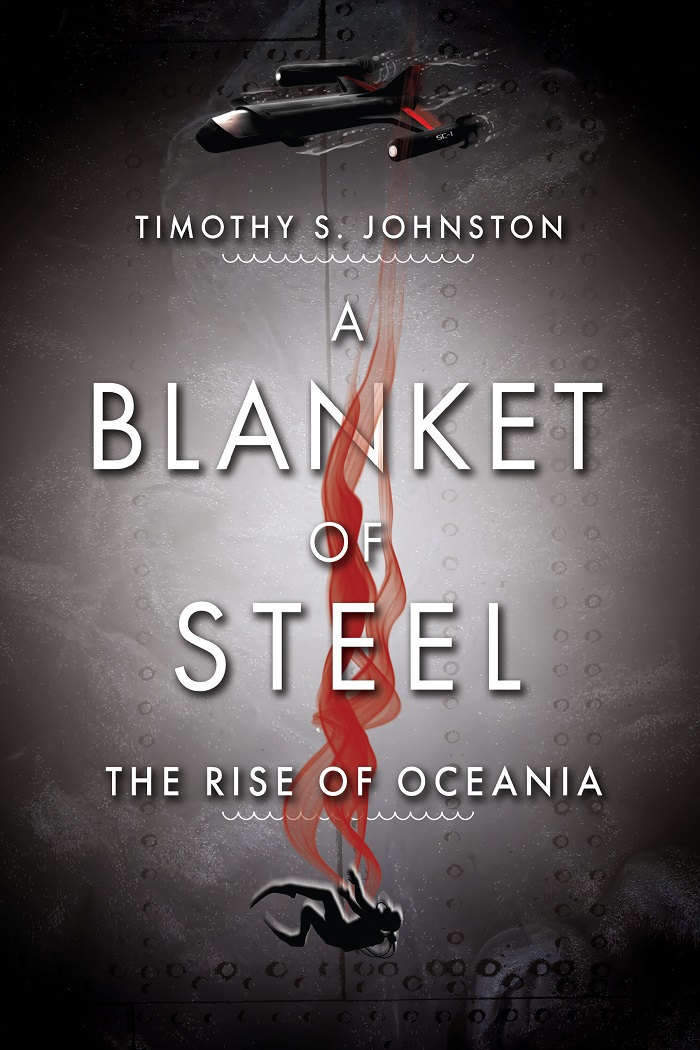
AN UNSTOPPABLE THREAT!
A mysterious assassin has murdered Cliff Sim, Chief Security Officer of the underwater colony, Trieste. Cliff was a mountain of a man, highly trained, and impossible to defeat in combat. And yet …
Someone brutally beat him and left his broken body in a secret Chinese facility at the bottom of the Pacific Ocean.
And included a calling card for Truman McClusky, Mayor of Trieste.
Taunting him.
Mac has led the underwater colonies in their fight against the world’s superpowers. Climate change has devastated the surface; nations suffer famine, drought, rebellion, rising waters, and apocalyptic coastal flooding. But now, as Mac leads the underwater colonies to freedom and independence, he’s faced with the gravest threat of his life: a Russian assassin, hellbent on killing Mac and everyone he cares for. Now Mac must uncover the identity of the killer, face him in combat, and at the same time lead people in battle against the largest underwater force ever assembled. It’s Mac’s final test, and to win the war, he must use every tool at his disposal, including the most surprising and devastating underwater weapons ever invented.
If Mac fails, all hope is lost for the future of human colonization on the ocean floors.
But the assassin could be anyone …
Watch your back, Mac.
A Blanket of Steel is the most gripping thriller yet in The Rise of Oceania.
FOR PURCHASE OPTIONS CLICK HERE
The other books in The Rise of Oceania series by Timothy S Johnston:
The War Beneath 9781771484718
The Savage Deeps 9781771485067
Fatal Depth 9781554555574
An Island of Light 9781554555819
The Shadow of War 9781554556007
———
TSJ’s Awards
Follow TSJ on Facebook
Follow TSJ on Twitter
Follow TSJ on Instagram
Enter TSJ’s contests here
Enter your email into the widget at the right to follow TSJ’s blog Life After Gateway.
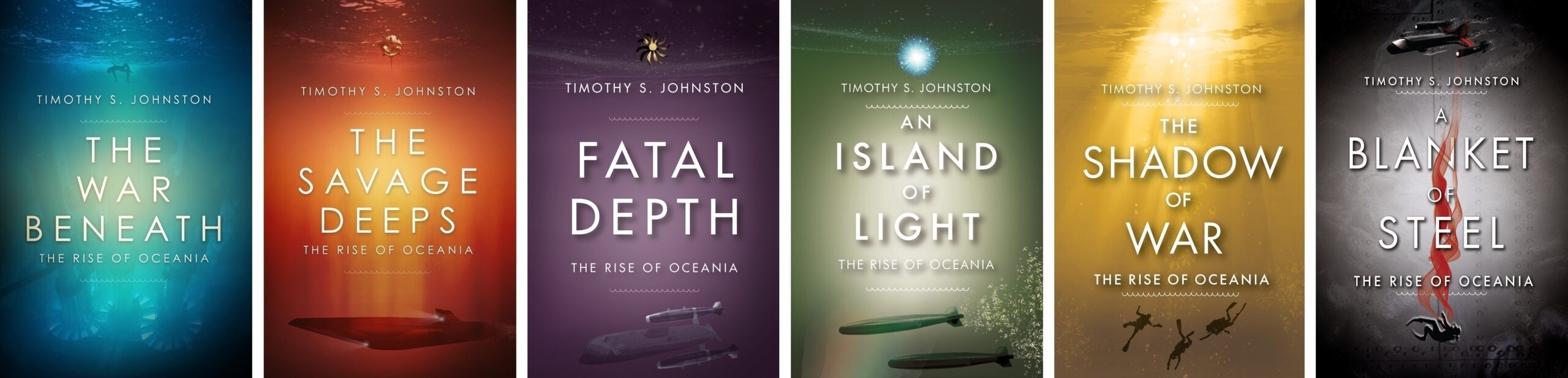
THE WAR BENEATH: FIRST PLACE 2018 GLOBAL THRILLER Action / Adventure Category Winner, 2019 Silver Falchion Award Finalist, 2018 CLUE Award Semi-Finalist, 2019 Kindle Book Awards Semi-Finalist, & 2019 CYGNUS Award Shortlister
THE SAVAGE DEEPS: FIRST PLACE 2020 CYGNUS Award Winner, 2019 GLOBAL THRILLER Awards Finalist, 2022 Kindle Book Awards Semi-Finalist; 2019 CLUE Award Shortlister
FATAL DEPTH: FIRST PLACE 2021 GLOBAL THRILLER Award Winner, 2022 Silver Falchion Award Finalist (Best Action Adventure), 2021 CYGNUS Award Semi-Finalist
