
Interview with JCVD’s Raid Pacific Director and Producer — a Life After Gateway Exclusive, Part Two
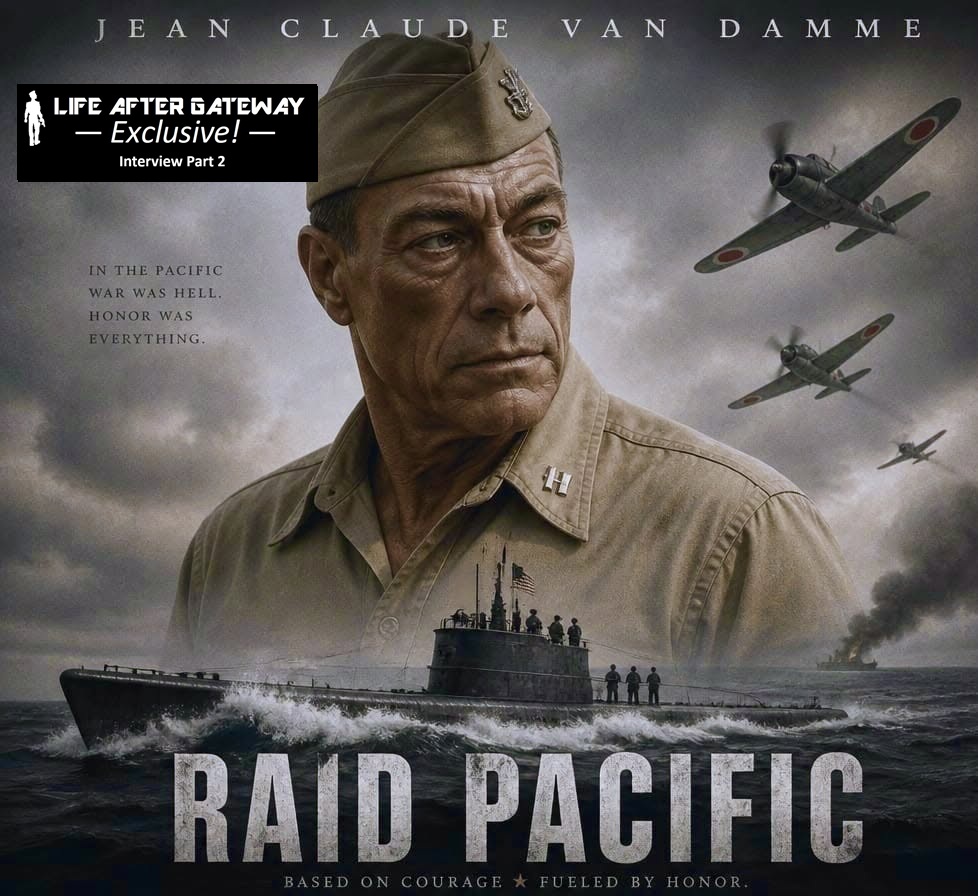
Here is Part Two of my exclusive interview with director Steven Luke and Charles Bolanis, only at Life After Gateway.

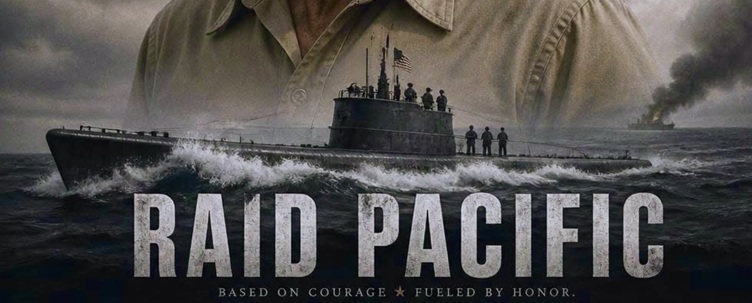
I had the privilege of sitting down with director Steven Luke and owner of WW2 Equipment Rentals Charles Bolanis to talk Raid Pacific. It was a wide-ranging interview and I’ve broken it into two parts. Filming is starting in Ohio this month. Enjoy:
Find Part One of the interview with Steven Luke and Charles Bolanis HERE.
Find my previous Life After Gateway exclusive article about Raid Pacific, WW2 Equipment Rentals, and film details HERE.
Part Two
TSJ: I know that you can’t speak for Jean-Claude, but I assume that he’s thrilled to play a submarine commander. I mean, how many actors get the opportunity to play a sub commander on film? But do you know how he’s preparing for the role? And by the way, this is a veiled attempt to learn from you if he is going to have any action scenes off the submarine and on land. You can pass on this if you want, because it might be a pretty big spoiler.
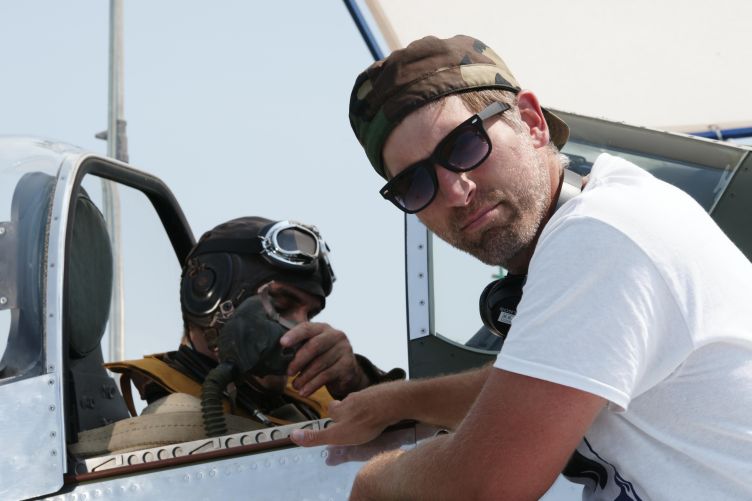
Director Steven Luke, pictured. Credit: IMDB
Steven: No, I think that’s important. I’ve actually had that question asked of me a couple times. So, how do I know how he’s preparing for the role? Now, I know he does his physical routine of training that he normally does for any of his action movies — and just in life. I mean, geez, I think he’s always staying fit. He’s always staying active. I think that’s part of who he is. That’s his DNA. So, in that regard, he’s always kind of ready to go in terms of that aspect. I do know that we’ve kind of been talking a little bit about certain fighting techniques that he wants to see, or the guys (of that time) utilized, so that’s been fun to discuss. And steering into the “what were the Marine Raiders’ actual fighting techniques?” He’s not a Marine Raider (in the film), but emulating it a little bit in some of our scenes. Now, to ask the big question, does he fight?
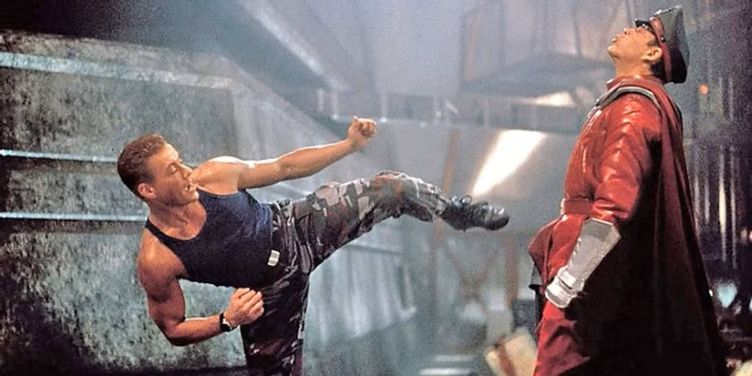
So, I want to say this. Now, obviously, we’re in World War II, so what would be maybe a traditional roundhouse kick to the face is not something we’re probably gonna see. However, you know, one of the things that I’m really trying to incorporate into this movie is … One of my favourite things about naval warfare are the old wooden ships. I love the old wooden ships. I love the Navy, you know, the “sails the ocean blue,” and one of my favourite movies is Master and Commander. And in any pirate movie, the guys kind of meet up on board and they fight it out. And we do have a little bit of that type of scene, that old classic, Navy — you know, grab your cutlass, we’ll lock swords — no we’re not doing that with swords, but a fight on top of a ship. So it’s going to be fun and unique, and I think it’ll be something that … you know, we’re going to give Russell Crowe a run for his money with JC.
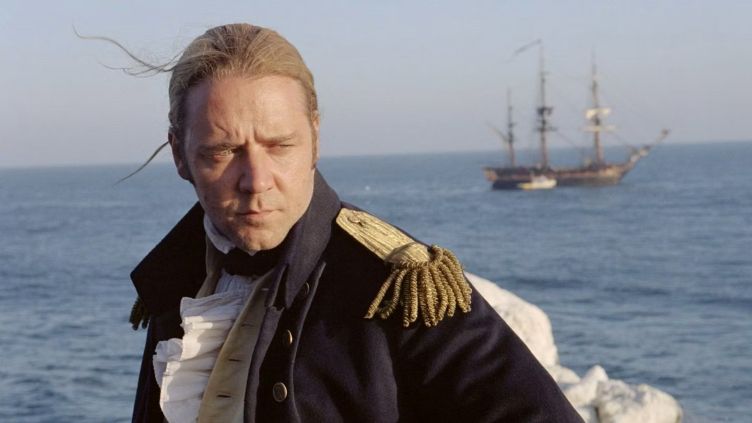
Master and Commander, Russell Crowe
TSJ: I recently watched The Hunt for October and noticed the lighting on various submarines varied in that movie. It was actually quite brilliant. The Russian subs had a more diffuse lighting with mist in the air, which filtered the lights, whereas the US subs had a clear but harsher lighting. There was more of a subdued blue. World War II subs were notoriously cramped and primitive. The setting is obviously crucial. How accurate — and Chuck, this is maybe a question for you — how accurate are the sets going to be, and what kind of effects work can we expect in this movie in terms of flooding of the set, torpedoes, mines, explosions, and that kind of thing?
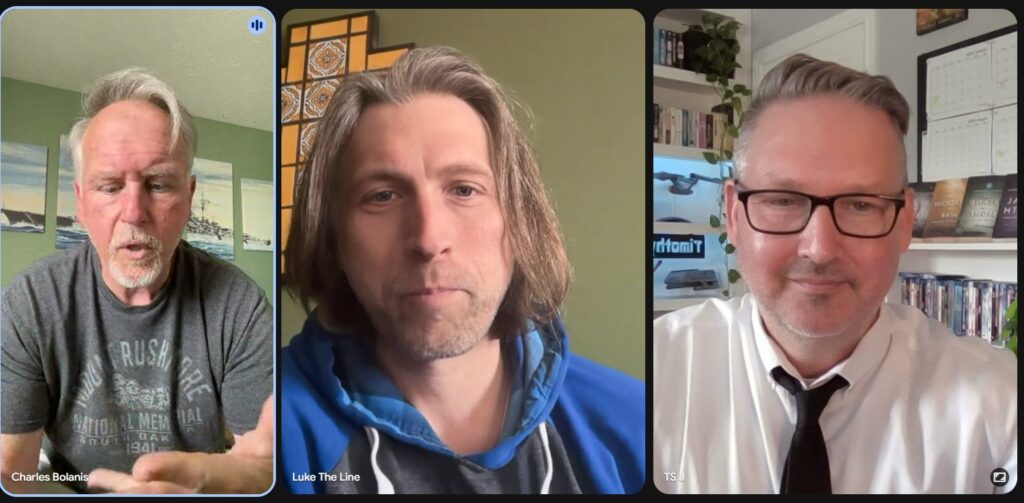
Charles: Well, I’ll touch on that briefly. I’ll let Steven expound more on what type of effects and everything that you can expect, but as far as realism goes, we’re going to be using the USS Cod, which is based in Cleveland, Ohio. And the original submarine in the story is the Nautilus. So what’s nice about it is that they’re very similar … You know, in my realm, when it comes to vehicles, realism is really a big thing that I like to look for. So what’s really neat is that we were able to use this relationship that we have with this museum for the submarine, which we used before in another one of the films that we did called Operation Seawolf, but we used it as a German submarine. So we just kind of had to make that work. But this is an opportunity where we get to use the USS Cod as the USS Nautilus, and it’s going to be pretty accurate. Now, of course, with a museum ship, that’s the tough thing — how do you recreate flooding or, you know, all of the electric fires from depth charge attacks and all that stuff, that’s a little more difficult. But that’s where Steven can talk about the VFX team and the art department and what they’re going to be doing with that.
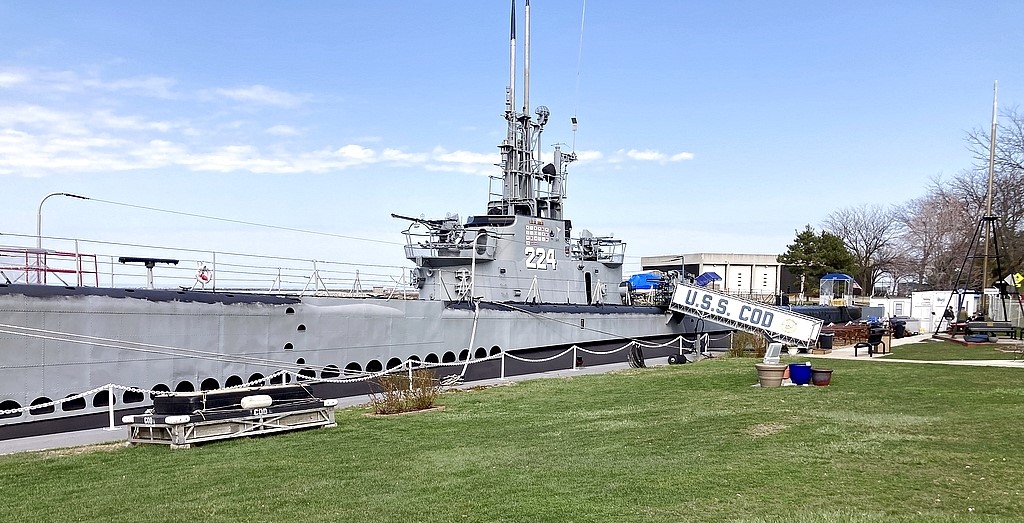
USS Cod Submarine Memorial in Cleveland, Ohio
Steven: So one of the cool things, obviously, is with VFX and being able to recreate a nautical setting around our world. You know, what’s amazing about the Cod as a museum ship, is — boy, I’m probably going to get strung up if I say this wrong — but it’s got a working periscope, and it’s one of only a handful in the country where a World War II submarine has a periscope that works. So that’s pretty impressive and really cool. And it also has a functioning torpedo room. They can load up a torpedo, they can unload it, they can move it around … So that’s really cool in terms of getting to see visually.
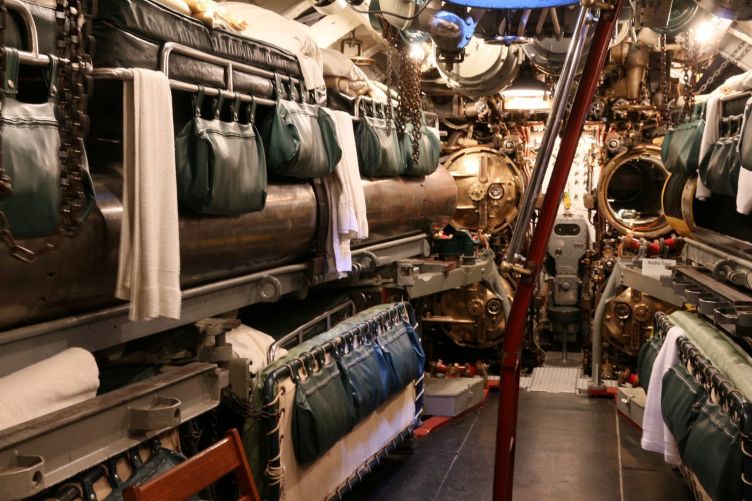
USS Cod interior. Image credit: Gregory Couch
Charles: We’re really fortunate about that.
Steven: So those are the kinds of things that the Cod brings — it’s super detailed and accurate inside, almost as if you stepped on the submarine in World War II.
Charles: Exactly.
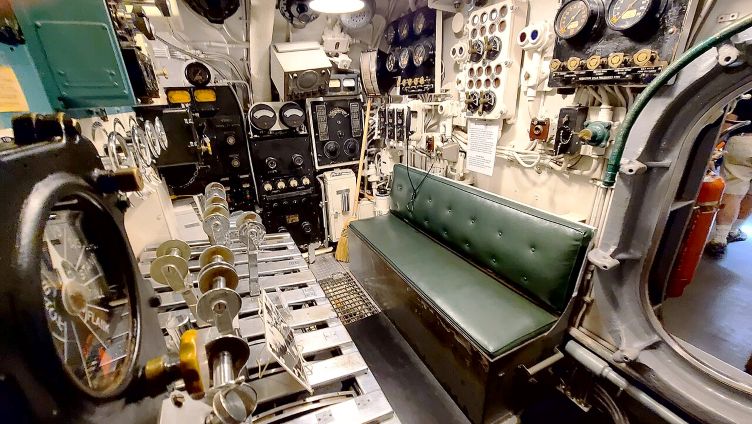
USS Cod. Image credit: Wikimedia Commons
Steven: But it has those things — periscope and torpedo — that are (tangible). And then when they’re being used, say, when the periscope’s looking out in the ocean or torpedoes are being fired, that’s something that that our audience can see when (we transition into) the VFX that are created. Obviously, when you’re trying to, you know, fire a torpedo through the ocean you’re going for something as visually realistic as possible. I will say that what I’ve learned over the years working with my VFX team, the ocean itself is one of the most challenging things to make realistic, just because it’s always moving, there’s always something going on. So water is always a tough one to do.
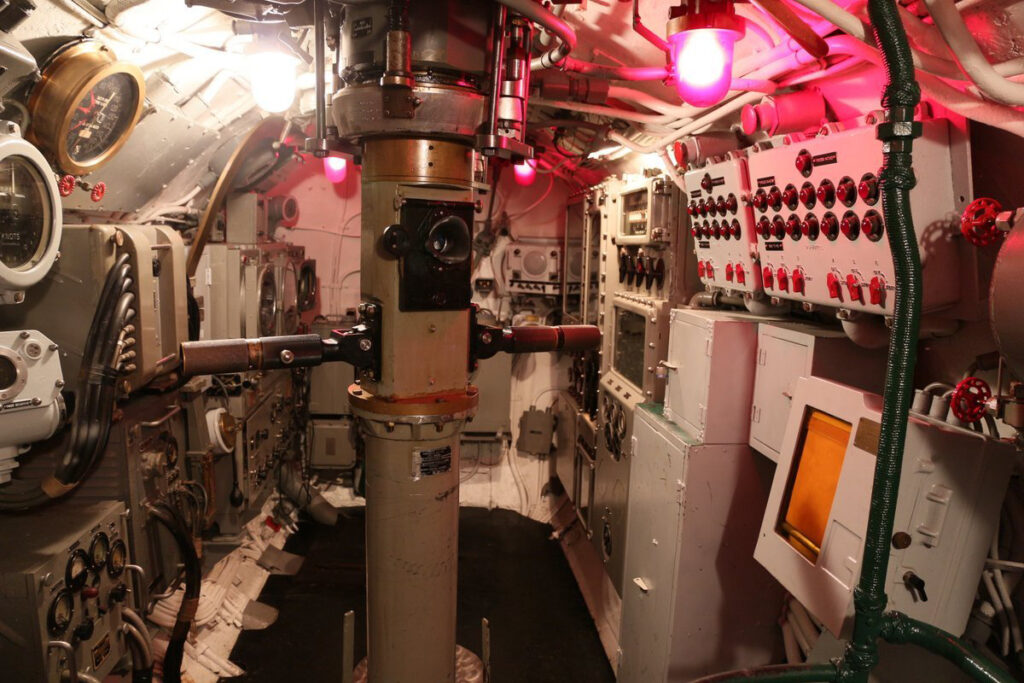
Image credit: USS Cod.org
Charles: Physics, yeah.
Steven: Yeah, the physics. But, you know, geez, not to say, but the technology has just advanced so much over the years, that their ability to recreate that photo realistically is pretty incredible. We’ll have to send you some of our tests we’ve been working on … some tests on our VFX submarine. You’ll have to let me know what you think.
TSJ: Yeah, I’d love to see them. Just make sure you clarify whether I can show it or not show it. And any pictures from the set or pictures of the sets under construction, anything like that to include in the articles would be great.
There’s a rich history of musical scores in naval movies and in submarine movies in particular. I’m thinking of movies like Crimson Tide, which Hans Zimmer did. Basil Poledouris did The Hunt For Red October. U-571 had a very good score as well.
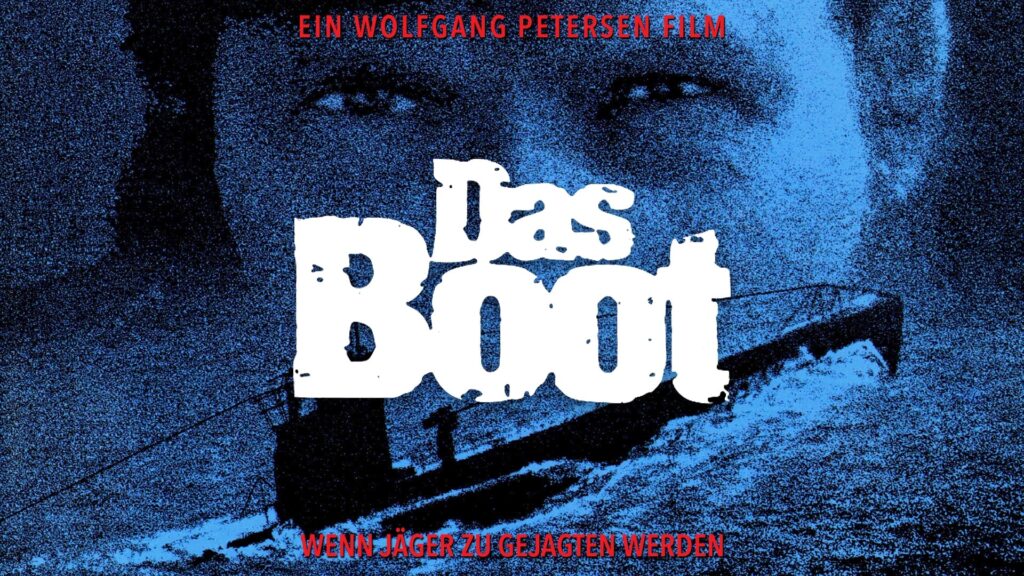
Charles: And Das Boot. Klaus Doldinger right … that’s the one you have to top. But I’m with you.
TSJ: Yes, good one! And even Star Trek movies have been known to have very nautical themes starting with Star Trek II: The Wrath of Khan, which was very naval. Are you still way too early in preproduction here to think about a score? Are you thinking about it? Do you have something in mind or someone in mind already?
Steven: Any time I write a script, I’m always thinking about what the score should sound like. I think that’s important to kind of know what you’re going for. Obviously, you named a couple of Navy scores — great scores. All of those are great. And the key is that you want to match up your score with what you want your audience to experience on the screen. I’m not going to lie. I love a good epic score. A military score. Those are always fun. My tastes, though, are a little bit old. I like old school songs to play … I like the old setting of music, I guess you’d call them traditional American-type style music to play. That’s not usually a preference that anyone else likes. It’s always just me.
Charles: So we’re going to end up with Cole Porter … is that what we’re going to end up with?
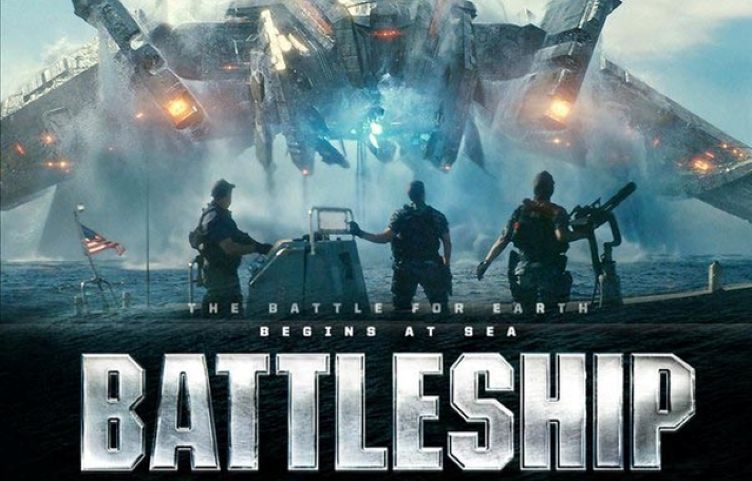
Steven: Usually what I land on is a fast-paced upbeat American action-type of score. There’s a movie, Battleship. It’s got a modern-day heroic mix of symphonies and a more modern-day score. So I think that’s what we’re going to kind of lean for a little bit here. I’m going to go for a lot of patriotic shots, a lot of flags … and I really want a score to drive home that point. You know, I’m most definitely a filmmaker to put the military in a positive light, to showcase their stories. And I think they need heroic music to make them look great.
TSJ: There’s nothing like a submarine movie with a rousing score behind it. Okay, so I’m going to hit you guys with the speed round now. Okay? And then we’ll wrap up. So, quick questions with quick answers. Just one- or two-word answers from each of you if possible.
Charles: Sure.
Steven: Sure.
TSJ: Submarine movie or Air Force movie, which do you prefer?
Charles: Submarine.
Steven: Ooh, oh, this is tough. Air Force.
TSJ: Will Van Damme kick someone in the head or in the face in this movie?
Charles: Pass.
Steven: Yes.
TSJ: Is stealing nuclear technology a part of the plot?
Charles: No.
Steven: Sadly not.
TSJ: Will there be more than one submarine featured in the movie?
Charles: Pass.
Steven: No.
TSJ: Will there be a large submarine or a naval battle featured in the movie? Or is it more intimate?
Charles: Yes.
Steven: Yes, you’ll see the sub.
TSJ: Okay. In World War II, something that not a lot of people realize is that torpedoes often failed. In fact, during Midway, every single torpedo failed (or missed). Do you plan to address this in your movie at all?
Charles: I can’t answer that. That’s Steven.
Steven: It’s fun that you mention that. Sorry, I know this is short answer. It’s one of the main points in the movie. Yes.
TSJ: Does the Raid Pacific mission involve huge stakes?
Charles: Yes.
Steven: Yes. Very important.
TSJ: Does the movie involve any other country’s naval forces or land forces other than the US and Japan?
Charles: …
Steven: Yes.
TSJ: Will we see a submarine implode? I don’t want to spoil anything here, so you can feel free to pass.
Charles: Let’s hope not.
Steven: We don’t want to see it.
TSJ: Crimson Tide or The Hunt for Red October?
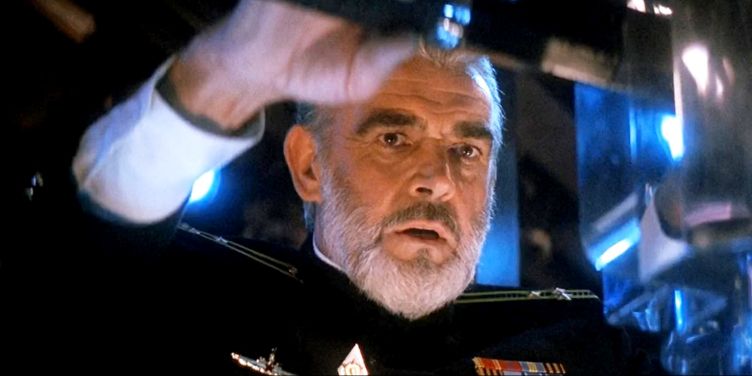
Charles: The Hunt for Red October.
Steven: The Hunt for Red October.
Charles: That’s Marco Ramius baby!
TSJ: K-19 or U-571
Charles: U-571.
Steven: K-19.
TSJ: Das Boot or Run Silent Run Deep?
Charles: Das Boot.
Steven: Yeah, Das Boot.
TSJ: Chuck Norris or Steven Seagal?
Charles: Chuck Norris. Not even close.
Steven: Oh, I’m gonna say Steven Seagal, because there’s a nice friendly relationship between Steven and JC.
Charles: That’s true. That is true.
TSJ: Bruce Lee or Chuck Norris?
Charles: Chuck, I’m gonna stick with Chuck.
Steven: Ooh, I’m probably gonna have to go with Chuck.
TSJ: And that’s it for the speed round. Thank you so much for doing that. Is there anything about Raid Pacific that I missed that you’d like to talk about that I could feature on Life After Gateway?

Steven: Hmm, let’s see. This is not so much about Raid Pacific, but I really want to emphasize how important it is right now for people to really try to find it in themselves to go see a movie and support independent films. You know, this industry is really struggling right now under the weight of the different technologies that are being created. And obviously, great technologies are very important to what we’re doing and can be great tools for great things. But movies showcase great stories. And that’s one of the main reasons to even go see a movie, to be a part of a movie, or to check out a movie. And most definitely with Raid Pacific, this is a story-based movie, you know. Characters and stories are so important, so please make sure you support independent films. Always remember that there’s a story there that a filmmaker’s trying to tell, and don’t necessarily get caught up in all the spectacle per se, or even the names. Obviously, with a person like JC, it’s fun to kind of see him do his thing. But, you know, the story is what’s important and don’t forget that’s the primary reason why a movie’s getting made.
TSJ: Thank you. Thank you, guys. Great answer.
Charles: I think, you know, Tim, I really appreciate you making the time for us …
TSJ: I can tell you guys both love movies. I love movies. I love this type of story as well … thank you for spending forty-five minutes with me today … I really appreciate it.
Charles: Absolutely.
Steven: Thank you, Tim, appreciate it.
Find Part One of the interview with Steven Luke and Charles Bolanis HERE.
Find my previous Life After Gateway exclusive article about Raid Pacific, WW2 Equipment Rentals, and film details HERE.
Stay tuned for more exclusive articles featuring JCVD’s Raid Pacific at Life After Gateway. Watch this space!
———

———
Follow TSJ on Facebook.
Follow TSJ on X.
Follow TSJ on Instagram.
Follow TSJ’s Blog Life After Gateway, featuring one carefully curated news item from the world of Science Fiction, Mystery, Thriller, Horror, and Suspense each day. Enter your email in the “Subscribe to Blog via Email” widget on the right.
———

———
A Blanket of Steel by Timothy S. Johnston and from Fitzhenry & Whiteside, LTD. is the recipient of the 2024 GLOBAL Thriller Award GRAND PRIZE and the 2024 CYGNUS Award First in Category.


— Timothy S. Johnston, 9 September 2026
———
Praise for Timothy S. Johnston’s A Blanket of Steel
“Fans of Clive Cussler’s NUMA Files will be delighted with Timothy S. Johnston’s undersea novels. Truman McClusky and Dirk Pitt are cut from the same adventurer’s cloth.” — Nick Cutter, author of The Deep and The Troop
“Action that ranges from close range combat to torpedo-fueled attacks. The result is a thriller that keeps moving from confrontation to confrontation … with constant danger and the vast depths of the ocean as a setting, there is always reason to keep reading.” — Kirkus Reviews
“Read the book and prepare to be blown away by one of the best writers I have ever had the pleasure to read. Timothy S. Johnston is simply amazing.” — FIVE Stars from Readers’ Favorite
“A Blanket of Steel is not simply a ‘daring do’ thriller … It’s prescient.” — Amazing Stories
“A priority selection. An action-packed story that is hard to put down. A Blanket of Steel is outstanding.” — D. Donovan, Sr. Reviewer, Midwest Book Review
“Innovative technology, Mac taking risks no one else would dare and thinking his way through to brilliant solutions … But the stakes are higher than they’ve ever been before. This is it. The countdown to the final battle … Johnston does an excellent job of keeping the tension taut as he plays with the reader’s perceptions of characters we thought we knew and trusted …” — SFcrowsnest
“Expect to be left breathless. Trust me here. Please. I COULD NOT PUT IT DOWN.” — Michael Libling, author of The Serial Killer’s Son Takes A Wife and Hollywood North: A Novel in Six Reels
———
A BLANKET OF STEEL is out now!
WATCH THE GRIPPING BOOK TRAILER HERE.
FOR PURCHASE OPTIONS CLICK HERE
———
A Blanket of Steel from Timothy S. Johnston and Fitzhenry & Whiteside, Ltd.
Book Cover & Jacket Copy:
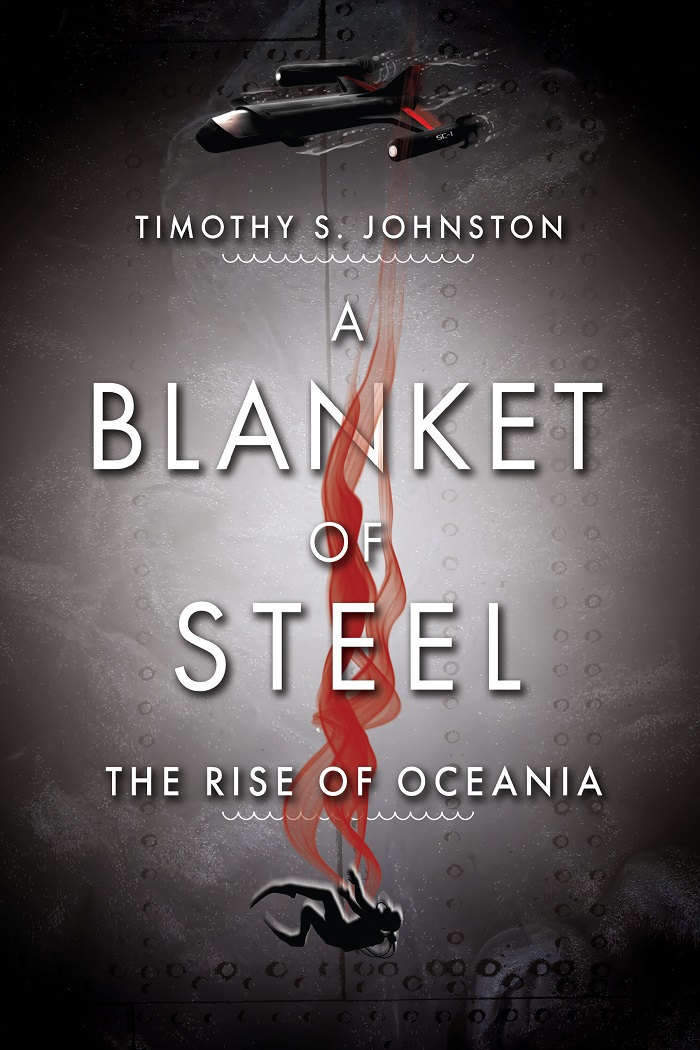
AN UNSTOPPABLE THREAT!
A mysterious assassin has murdered Cliff Sim, Chief Security Officer of the underwater colony, Trieste. Cliff was a mountain of a man, highly trained, and impossible to defeat in combat. And yet …
Someone brutally beat him and left his broken body in a secret Chinese facility at the bottom of the Pacific Ocean.
And included a calling card for Truman McClusky, Mayor of Trieste.
Taunting him.
Mac has led the underwater colonies in their fight against the world’s superpowers. Climate change has devastated the surface; nations suffer famine, drought, rebellion, rising waters, and apocalyptic coastal flooding. But now, as Mac leads the underwater colonies to freedom and independence, he’s faced with the gravest threat of his life: a Russian assassin, hellbent on killing Mac and everyone he cares for. Now Mac must uncover the identity of the killer, face him in combat, and at the same time lead people in battle against the largest underwater force ever assembled. It’s Mac’s final test, and to win the war, he must use every tool at his disposal, including the most surprising and devastating underwater weapons ever invented.
If Mac fails, all hope is lost for the future of human colonization on the ocean floors.
But the assassin could be anyone …
Watch your back, Mac.
A Blanket of Steel is the most gripping thriller yet in The Rise of Oceania.
FOR PURCHASE OPTIONS CLICK HERE
The other books in The Rise of Oceania series by Timothy S Johnston:
The War Beneath 9781771484718
The Savage Deeps 9781771485067
Fatal Depth 9781554555574
An Island of Light 9781554555819
The Shadow of War 9781554556007
———
TSJ’s Awards
Follow TSJ on Facebook
Follow TSJ on Twitter
Follow TSJ on Instagram
Enter TSJ’s contests here
Enter your email into the widget at the right to follow TSJ’s blog Life After Gateway.
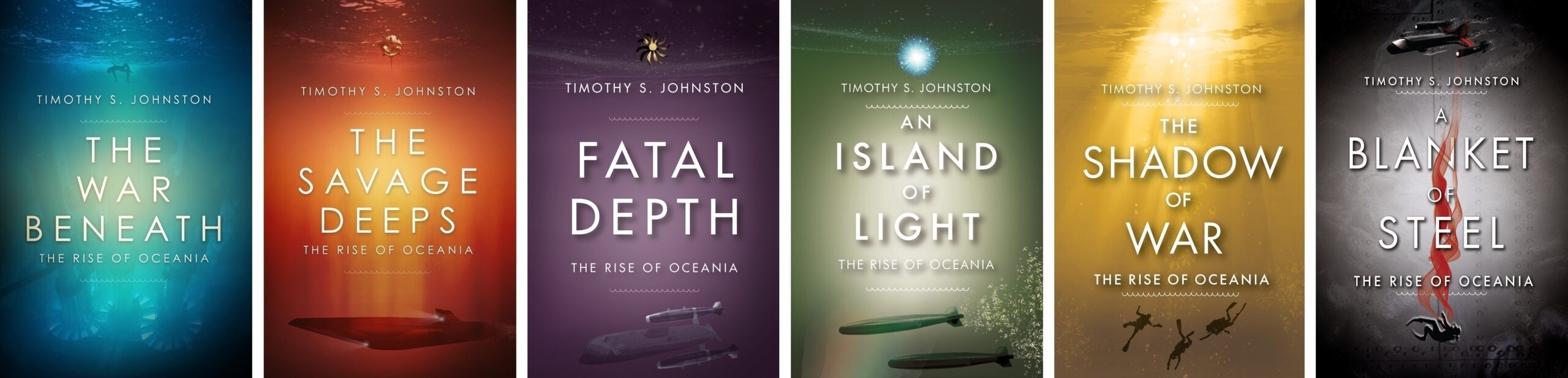
THE WAR BENEATH: FIRST PLACE 2018 GLOBAL THRILLER Action / Adventure Category Winner, 2019 Silver Falchion Award Finalist, 2018 CLUE Award Semi-Finalist, 2019 Kindle Book Awards Semi-Finalist, & 2019 CYGNUS Award Shortlister
THE SAVAGE DEEPS: FIRST PLACE 2020 CYGNUS Award Winner, 2019 GLOBAL THRILLER Awards Finalist, 2022 Kindle Book Awards Semi-Finalist; 2019 CLUE Award Shortlister
FATAL DEPTH: FIRST PLACE 2021 GLOBAL THRILLER Award Winner, 2022 Silver Falchion Award Finalist (Best Action Adventure), 2021 CYGNUS Award Semi-Finalist
